Archive for the ‘9 – MISCELLANEOUS’ Category
National Flower Series – East Asia 1 – Japan (De-facto or non-official)
Japan do not have officially declared national flowers like other countries. However, two flowers that have significant influences in Japanese cultures and histories : Chrysanthemum (菊花) and Cherry
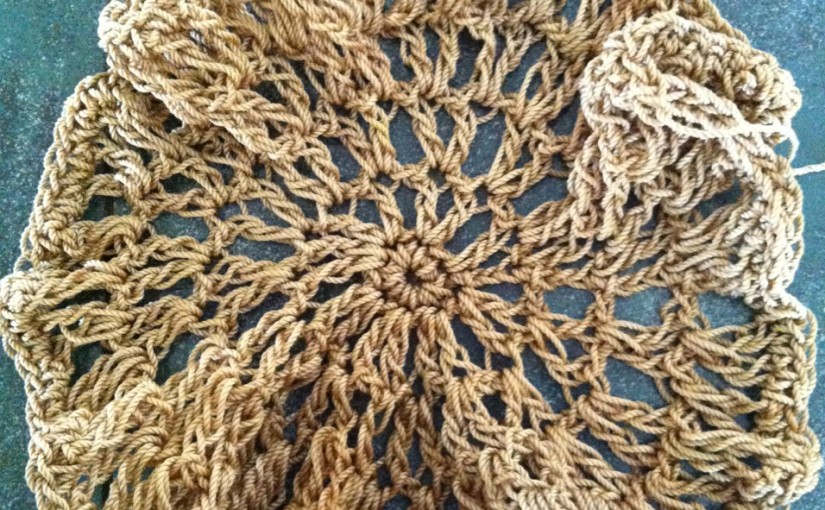
THINGS I FOUND USEFUL SERIES ….. – Knitted or crocheted dish cloth
Everytime i walked into the kitchen, i felt the urge to share with you this dish cloth that i found useful in the kitchen. You may have known

What is it series. Try to guess and answer will be out tomorrow. (at Blk 664 Jalan Damai)
I have always discovered patterns that are beautiful around my house or places i have been. I thought it would be fun

Fungi or mushroom series – I take a stroll in Bedok Reservoir Park prior to my weekly marketing at a supermarket next to the reservoir. I am extremely delighted to find many species of mushroom thriving in the damp and

- Intimacy (亲密关系) : Feelings of attachment, closeness, typified by sharing secrets, etc.
- Passion (激情的爱) : Feelings of sexual and romantic attraction.
- Commitment (承诺义务之爱): A willingness in the short-term to create and maintain a relationship and long-term plans

After I completed the series of national flower for ASEAN Countries, I believed that this picture is a good summary.

National Flower Series – Socialists Republic of Vietnam (Nelumbo Nucifera)
Pink Nelumbo nucifera or lotus (莲花、荷花,古称芙蓉) is the national flower Socialists Republic of Vietnam. It should be noted that though Sri Lanka and India also declared lotus as the national


National flower series -Singapore – Vanda Ms. Joaquim (Chinese: 卓锦万黛兰; pinyin: zhuójǐn wàndàilán), also known as the Singapore Orchid and the Princess Aloha Orchid is a hybrid orchid cultivar that is Singapore’s national flower
Agnes Joaquim bred this orchid which
National Flower – Indonesia There are three categories of floral emblem that symbolize Indonesia; puspa bangsa (national flower) of Indonesia is Melati (Jasminum sambac), puspa pesona (flower of charm) is Anggrek Bulan (Moon Orchid) (Phalaenopsis amabilis) and puspa langka (rare